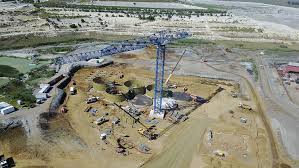
The Engineering Learnership Programme 2026 presents an excellent opportunity for young South Africans who are passionate about engineering, mining, maintenance, and technical trades. This programme is designed to provide practical workplace experience, industry exposure, and valuable skills development for individuals seeking a long-term career within the engineering and mining sectors.
With a monthly stipend of R5,500, learners will have the opportunity to gain hands-on experience while developing technical knowledge under the guidance of qualified professionals. Engineering learnerships remain one of the most effective pathways into skilled trades and technical careers, helping young people bridge the gap between education and employment.
The programme focuses on developing competent artisans and technical professionals who can contribute to South Africa’s industrial growth and economic development. Learners will be exposed to real workplace environments where they can apply theoretical knowledge while building practical skills that are highly valued by employers.
Engineering Learnership Programme Overview
Engineering learnerships combine structured workplace training with practical learning opportunities. Participants are exposed to industry standards, safety procedures, technical operations, and professional workplace practices.
Successful learners will gain valuable experience in various engineering disciplines, allowing them to develop skills required for future employment opportunities within mining, manufacturing, engineering, construction, and industrial sectors.
The programme aims to prepare learners for careers in specialized technical fields where skilled professionals continue to be in high demand.
Monthly Stipend
Participants may receive a monthly stipend of:
- R5,500 per month
The stipend is intended to assist learners with:
- Transportation costs
- Daily meals
- Learning materials
- Basic living expenses
- Work-related travel expenses
The stipend allows learners to focus on gaining valuable workplace experience while participating in the programme.
Available Engineering Learnership Fields
The programme offers opportunities in several important engineering and mining disciplines.
Learner Miner
Learner Miners receive exposure to mining operations and production environments.
Responsibilities may include:
- Understanding mining processes
- Learning underground safety procedures
- Participating in operational activities
- Supporting mining teams
- Learning equipment operation principles
- Understanding mining regulations
- Promoting workplace safety
Mining remains one of South Africa’s most important economic sectors and continues to create opportunities for skilled workers.
Rigger
Riggers specialize in lifting, moving, and positioning heavy equipment and materials.
Training may include:
- Lifting equipment operation
- Load calculations
- Crane signaling
- Safety procedures
- Rigging inspections
- Equipment maintenance awareness
- Workplace hazard identification
Rigging skills are highly valued across mining, construction, engineering, and manufacturing industries.
Auto Electrician
Auto Electricians focus on electrical systems used in vehicles and industrial machinery.
Learners may gain experience in:
- Vehicle electrical systems
- Diagnostic testing
- Battery systems
- Electrical repairs
- Wiring installations
- Fault finding
- Maintenance procedures
This field combines electrical expertise with automotive technology and industrial equipment maintenance.
Diesel Mechanic
Diesel Mechanics maintain and repair diesel-powered machinery and equipment.
Training opportunities may include:
- Engine maintenance
- Equipment inspections
- Mechanical repairs
- Troubleshooting mechanical faults
- Preventative maintenance
- Hydraulic systems
- Fuel systems maintenance
Diesel mechanics play a critical role in mining, transportation, agriculture, and construction industries.
Fitter
Fitters install, maintain, and repair industrial machinery and mechanical systems.
Areas of learning may include:
- Mechanical assembly
- Equipment maintenance
- Machinery installation
- Workshop practices
- Technical drawings interpretation
- Equipment inspections
- Preventative maintenance
Fitters are essential in ensuring that industrial operations run efficiently and safely.
Instrumentation
Instrumentation learners focus on monitoring and controlling industrial processes.
Training may cover:
- Process control systems
- Instrument calibration
- Equipment testing
- Measurement systems
- Fault diagnosis
- Automation technologies
- Industrial monitoring systems
Instrumentation specialists are increasingly important in modern automated industrial environments.
Boilermaker
Boilermakers manufacture, assemble, and repair metal structures and equipment.
Training opportunities may include:
- Metal fabrication
- Welding techniques
- Blueprint reading
- Equipment assembly
- Structural repairs
- Safety procedures
- Industrial maintenance
Boilermaking remains one of the most sought-after artisan trades in South Africa.
Millwright
Millwrights combine mechanical and electrical skills to maintain industrial equipment.
Learners may develop knowledge in:
- Mechanical maintenance
- Electrical systems
- Equipment installation
- Troubleshooting
- Production machinery
- Industrial automation
- Preventative maintenance
Millwrights are versatile technical professionals employed across many industries.
TMM Electrical
Trackless Mobile Machinery (TMM) Electrical learners work with electrical systems used in mining equipment.
Areas of exposure may include:
- Mobile equipment maintenance
- Electrical fault finding
- Equipment diagnostics
- Safety systems
- Electrical installations
- Preventative maintenance
- Mining machinery operations
TMM Electrical specialists support the safe and efficient operation of mining machinery.
Minimum Requirements
Applicants must meet the following requirements:
- Must be a South African citizen
- Must possess a valid South African Identity Document
- Must have completed Grade 12 (Matric)
- Must be 18 years of age or older
- Must have no criminal record
- Must be willing to learn
- Must be committed to completing the learnership programme
- Must demonstrate a positive attitude toward learning
- Must be able to work effectively in a team environment
- Must be willing to comply with workplace safety standards
Meeting the minimum requirements does not automatically guarantee selection, as applications may be subject to further screening processes.
Important Skills and Attributes
Successful learners often possess the following qualities:
- Strong work ethic
- Good communication skills
- Problem-solving ability
- Reliability
- Attention to detail
- Teamwork skills
- Technical interest
- Willingness to learn
- Adaptability
- Commitment to safety
These qualities contribute significantly to workplace success and professional development.
Benefits of Participating in an Engineering Learnership
Engineering learnerships offer numerous benefits for young job seekers.
Key benefits include:
- Practical workplace experience
- Industry exposure
- Technical skills development
- Professional growth opportunities
- Exposure to qualified artisans
- Improved employability
- Career development opportunities
- Understanding workplace expectations
- Networking opportunities
- Increased confidence and competence
Workplace learning remains one of the most effective ways to prepare for future employment opportunities.
Career Opportunities After Completion
Engineering learnerships can open doors to a wide range of career paths.
Possible future careers include:
- Qualified Artisan
- Mining Technician
- Mechanical Technician
- Electrical Technician
- Maintenance Technician
- Production Technician
- Workshop Assistant
- Plant Operator
- Engineering Assistant
- Industrial Maintenance Specialist
The skills acquired during a learnership can serve as a foundation for long-term career growth within technical industries.
Why Engineering Careers Remain Important
Engineering and technical trades continue to play a vital role in South Africa’s economic development. Skilled artisans and technical professionals contribute to infrastructure development, industrial production, mining operations, manufacturing activities, and technological advancement.
As industries continue to modernize and adopt new technologies, demand for qualified technical workers remains strong. Engineering careers offer opportunities for continuous learning, professional growth, and long-term employment prospects.
Technical skills are valuable across multiple industries, making engineering one of the most versatile career pathways available to young South Africans.